



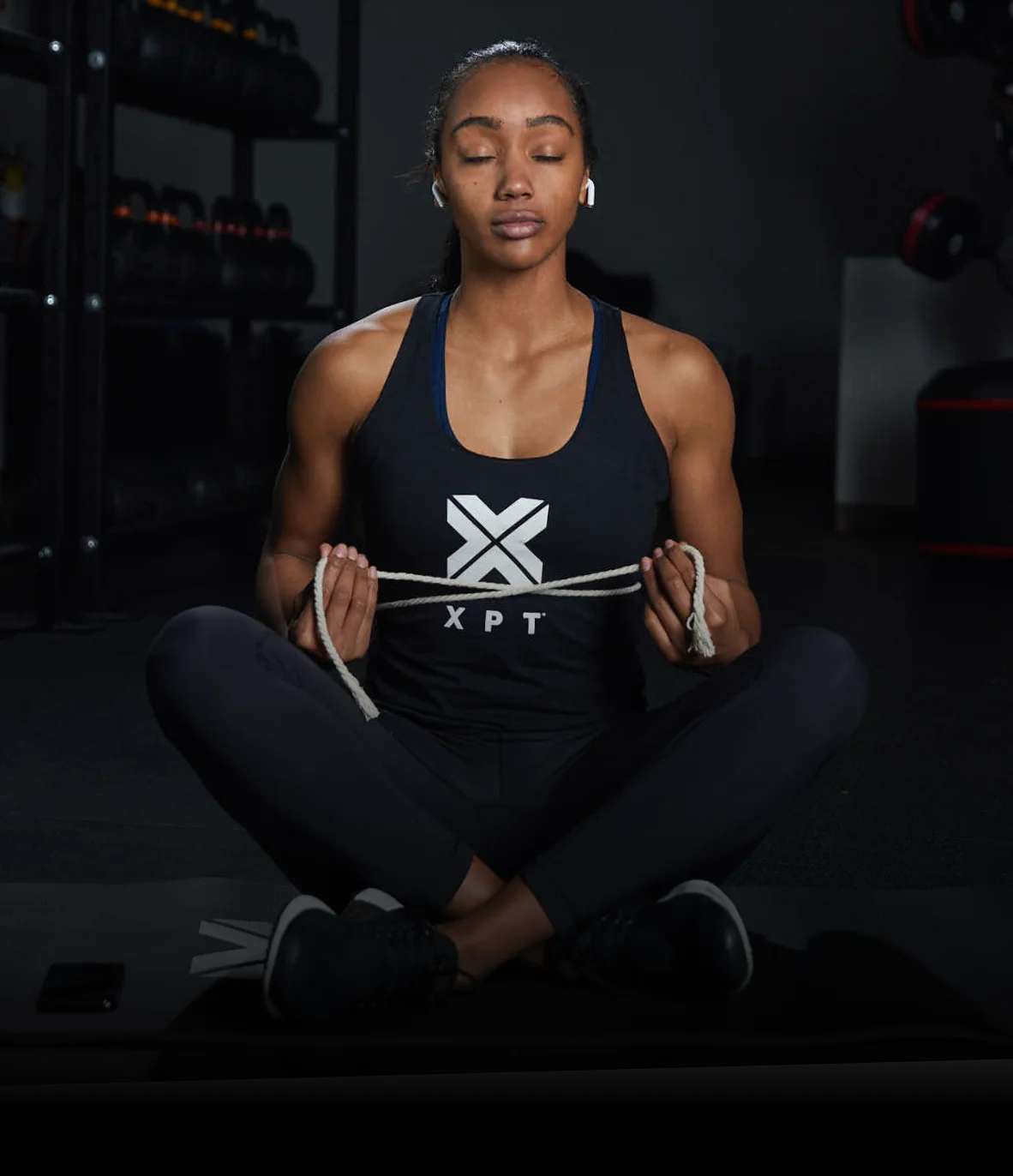

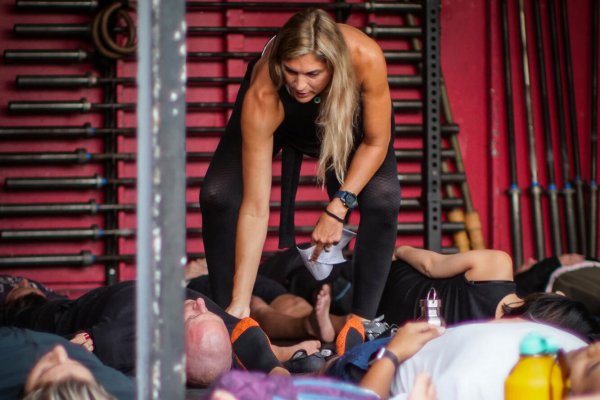
Sun Mar 03 2019 Most people dont think about their breathing, and even those who do dont always understand good breathing mechanics. Specifically, its important to realize that posture and position dictate breathing ability. Optimal Breathing Position The best position for breathing is with the spine straight, to provide access to the diaphragm and minimal compression on the lungs. If you hunch over or get into another sub-optimal position, youre going to limit your maximum ventilation efficiency by restricting the airway and changing the demands on the respiratory muscles. Obviously, not all exercises can be performed in a neutral spine position, so understanding how position effects breathing patterns is another crucial teaching step in the early stages of a training program. The Mechanics of Breathing One strategy for assessing breathing abilities is to use subjective measures of breathing volume in various positions. To do this, first start lying supine (flat on your back) in an optimal breathing position. Take a slow, full nasal inhale, focusing on filling the lungs and expanding the entire ribcage 360 degrees as much as possible. That full inhale is your current breathing capacity. Now, move into different positions, starting with less stressful ones like quadruped, half kneeling, and standing. Then, move into more demanding positions like a high plank, squat hold, or hanging from a bar. Hold these positions and perform the same breathing task, noticing the differences in tension, your ability to access the diaphragm and breathe deep into the belly, and whether youre able to expand the ribcage 360 degrees. Isometric holdssuch as planks and side planksare great ways to assess and train these breathing abilities, due to the ease of increasing or decreasing the intensity, and ability to create focused practice on the breath itself, since theres no distraction from movement. Yoga is a good example of using static positions to focus on the breath, and you can do the same during mobility work. Focus on Positional Breathing Make it a point to focus consistently on positional breathing mechanics. Doing so will help you better control your breathing capacity and capability across a full spectrum of movements and positions.



Leave a comment
This site is protected by hCaptcha and the hCaptcha Privacy Policy and Terms of Service apply.